
Precision Ingredient & Flavor Delivery Platform
The O’Taste platform applies patented precision micromilling and controlled wet-format integration processes to optimize the functional performance of real food ingredients (e.g., sugar, sodium, spices) for industrial applications. Our technology enhances ingredient availability per unit input, supports clean-label objectives, and enables formulation efficiency without introducing artificial substitutes or masking agents.
How It Works
Big Taste, Tiny Particles
01
Particle-Size Optimization.
Reduces typical particle sizes from ~500 μm to ~5 μm, maximizing surface-area and flavor availability.
02
Oil-Phase Suspension.
Micro‑particles are stabilized in any food-grade oil or fat, preventing clumping, settling, and dusting.
03
Enhanced Flavor Delivery.
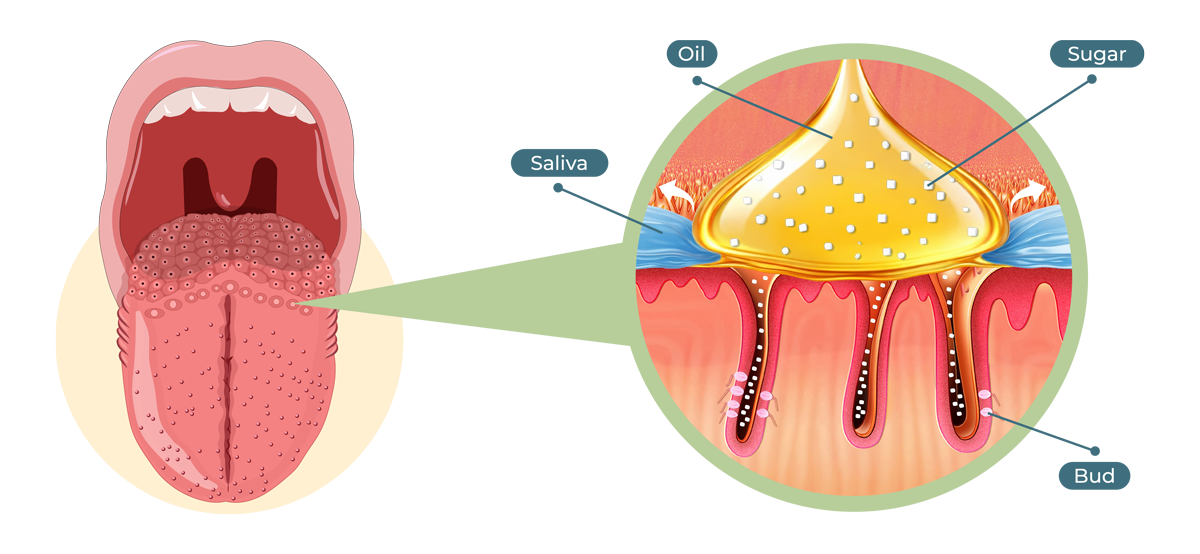
The combination of micro‑scale particles and lipid dispersion produces faster, stronger sensory release. Oil removes saliva from the tongue and allows optimal contact of the flavorant solid particle with the taste pores where it is rapidly dissolved in saliva in the pore to activate the nerves that carry the taste signals to the brain
Increasing Surface Area As A Function Of
Reducing The Average Particles’ Size
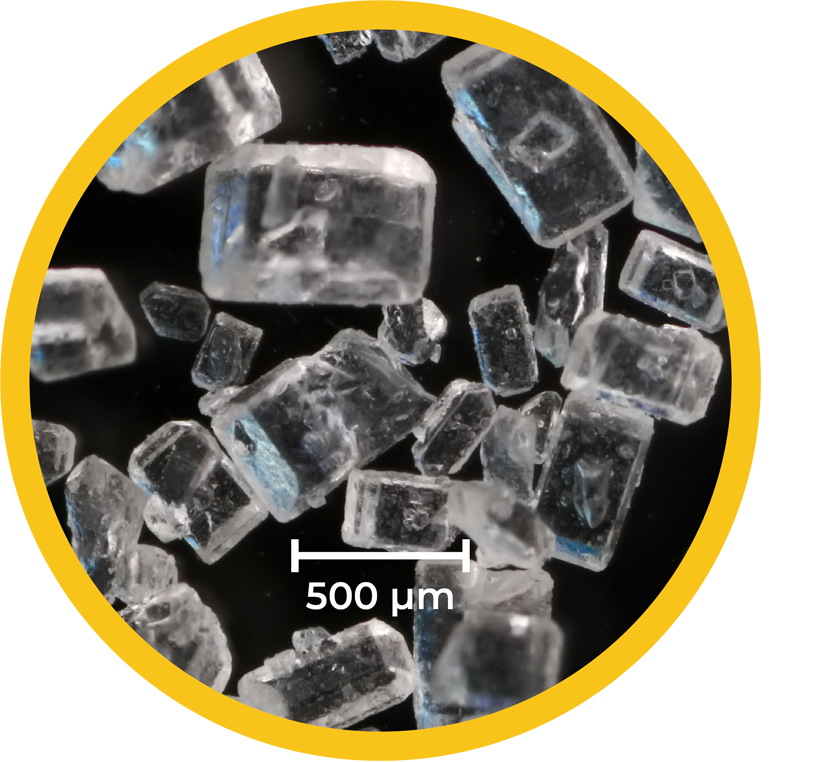
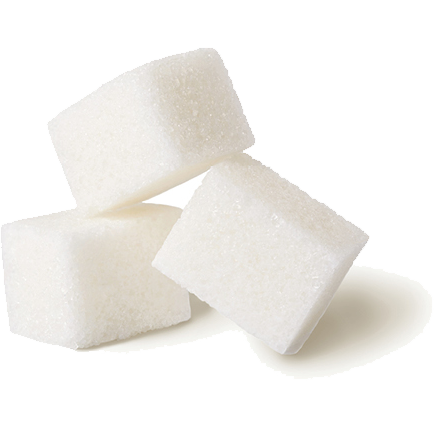
Sugar Crystals
Median particle size
(D50) ~500um

Mild Sweetness
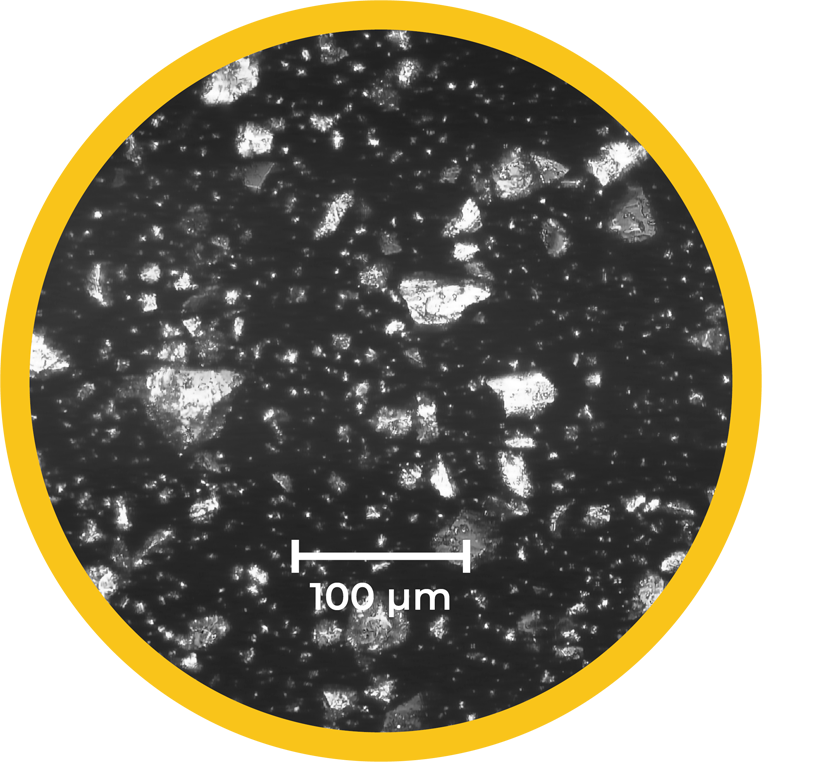
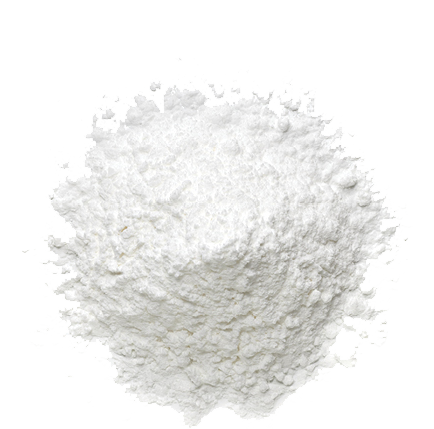
Sugar Powder
(+Stabilizers)
D50 ~100um

High Sweetness


O’Sugar
D50 ~5um

Very High Sweetness
Precision Flavor Engineering.
Taste happens at the micron scale.
Taste perception operates at the micron scale. Conventional crystalline ingredients often contain particles in the ~20 μm range or larger. At that size, dissolution kinetics become the limiting factor – flavor must first dissolve across the oral fluid layer before receptor activation can occur, slowing time to perception and reducing efficiency.
O’Taste™ precision micromills sugar, salt, spices, and other food ingredients to a D50 of approximately 5 μm, dramatically increasing effective surface area and aligning particle dimensions more closely with the sensory interface. This reduction in particle size accelerates dissolution, enhances receptor interaction probability, and improves flavor perception per unit mass.
When combined with controlled wet-format integration within compatible food-grade fat systems, particle adhesion and interfacial contact are further enhanced, minimizing premature wash-off and improving delivery efficiency. The result is faster perception, stronger signal clarity, and measurable ingredient reduction without compromise.
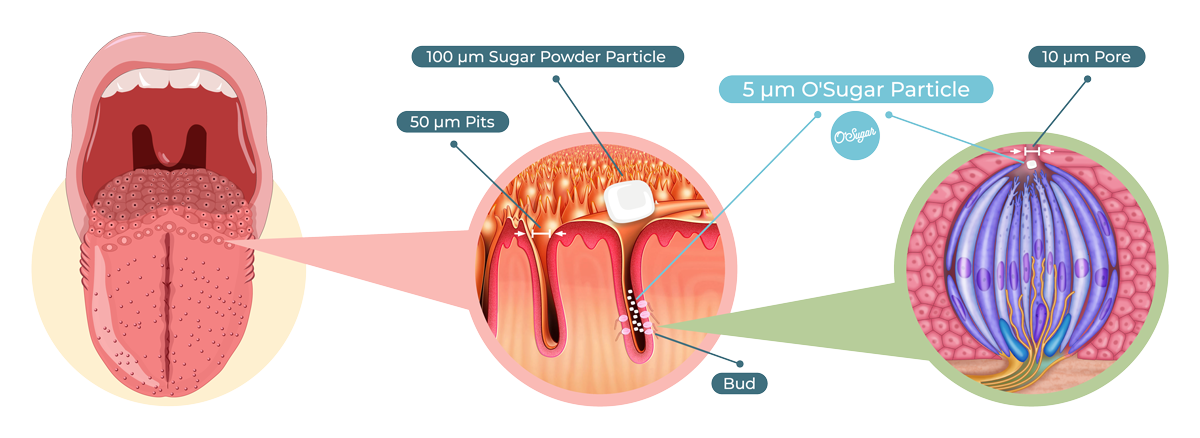
The Role of Fat in Flavor Expression
In conventional dry applications, crystalline sugar, salt, and spices rely on aqueous dissolution before receptor interaction occurs. Dissolution rate is directly dependent on particle size, surface area, and residence time in the oral cavity. Larger particles dissolve slowly, limiting efficient receptor engagement.
The O’TASTE™ technology platform alters this transfer dynamic.
By micronizing flavor particles and integrating them within compatible food-grade fat systems, the platform improves interfacial contact and accelerates receptor exposure. The lipid phase promotes improved surface interaction and enhances adhesion of ultra-fine particles to the sensory interface. The result is accelerated perception kinetics and improved flavor efficiency per unit mass, allowing equivalent or stronger sensory performance with materially lower ingredient input.
While culinary practice has long demonstrated that fat enhances flavor expression, O’TASTE™ translates that principle into a scalable, precision-engineered platform suitable for industrial manufacturing.
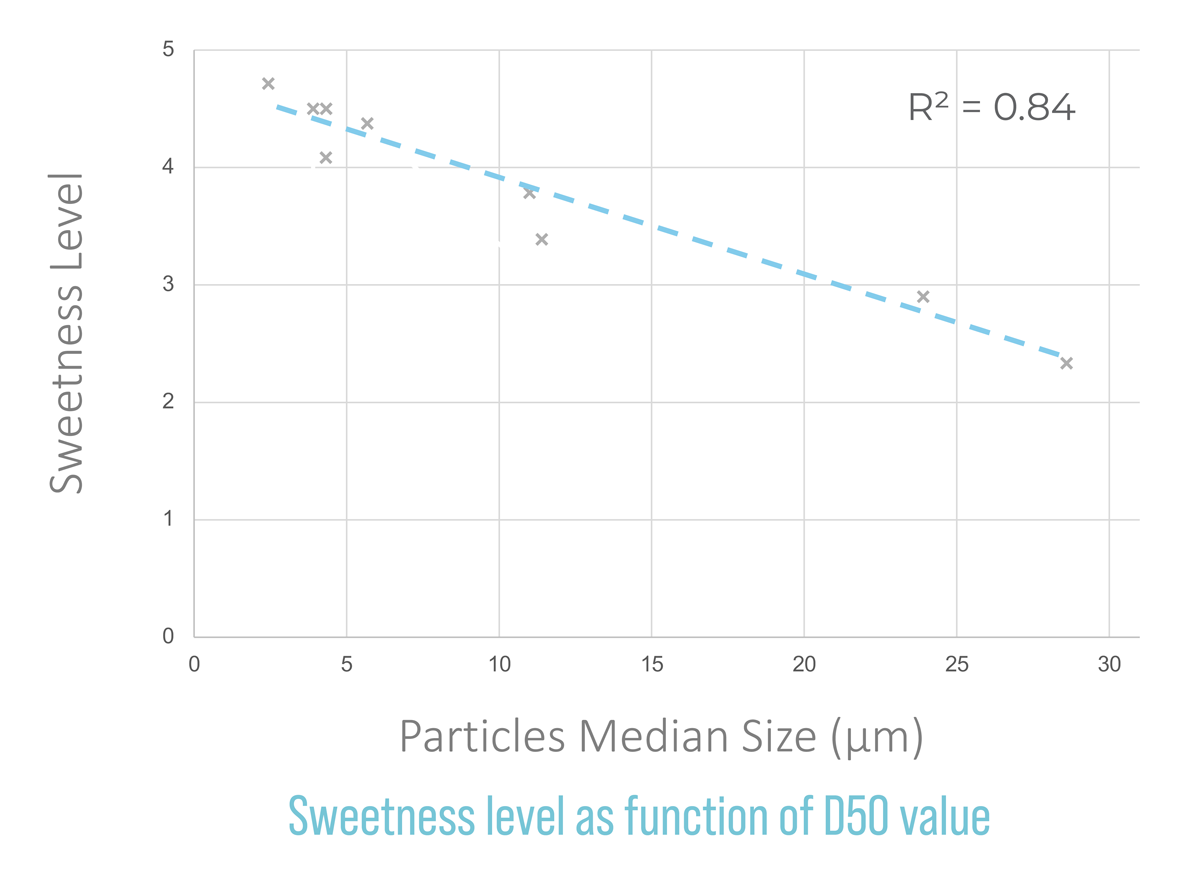
Sugar Particle Size vs. Sensory Strength
Standard Sugar Crystals — D50 ≈ 500 μm → Low sweetness
Powdered Sugar — D50 ≈ 50 μm → Medium sweetness
O’Sugar Micronized — D50 ≈ 5 μm → High sweetness via maximum surface area
Application Methods Across Manufacturing
O’Taste’s controlled wet-format flavor systems are designed for integration into standard industrial processes. Common application methods include:

Spraying
Applies evenly across surface-area for snacks, popcorn, crackers, nuts.

Tumbling / Dry Coat Replacement
Eliminates dusting and improves adhesion.

Baking-in
Integrates flavor during dough/emulsion formation.

Enrobing
Suspended particles optimize chocolate, fat-based coating, nut butter layers.

Folding / Mixing into Fillings
Improved internal flavor distribution vs powders.

Injection or Inclusion
Concentrated flavor delivery into matrices with fat-phase.

Surface Coating
Stable lipid-phase distribution.

Thermal Processing
Suitable for fryer and oven environments.

Post-Bake / Post-Fry Application
Stronger flavor at lower payload.
The Health Benefits

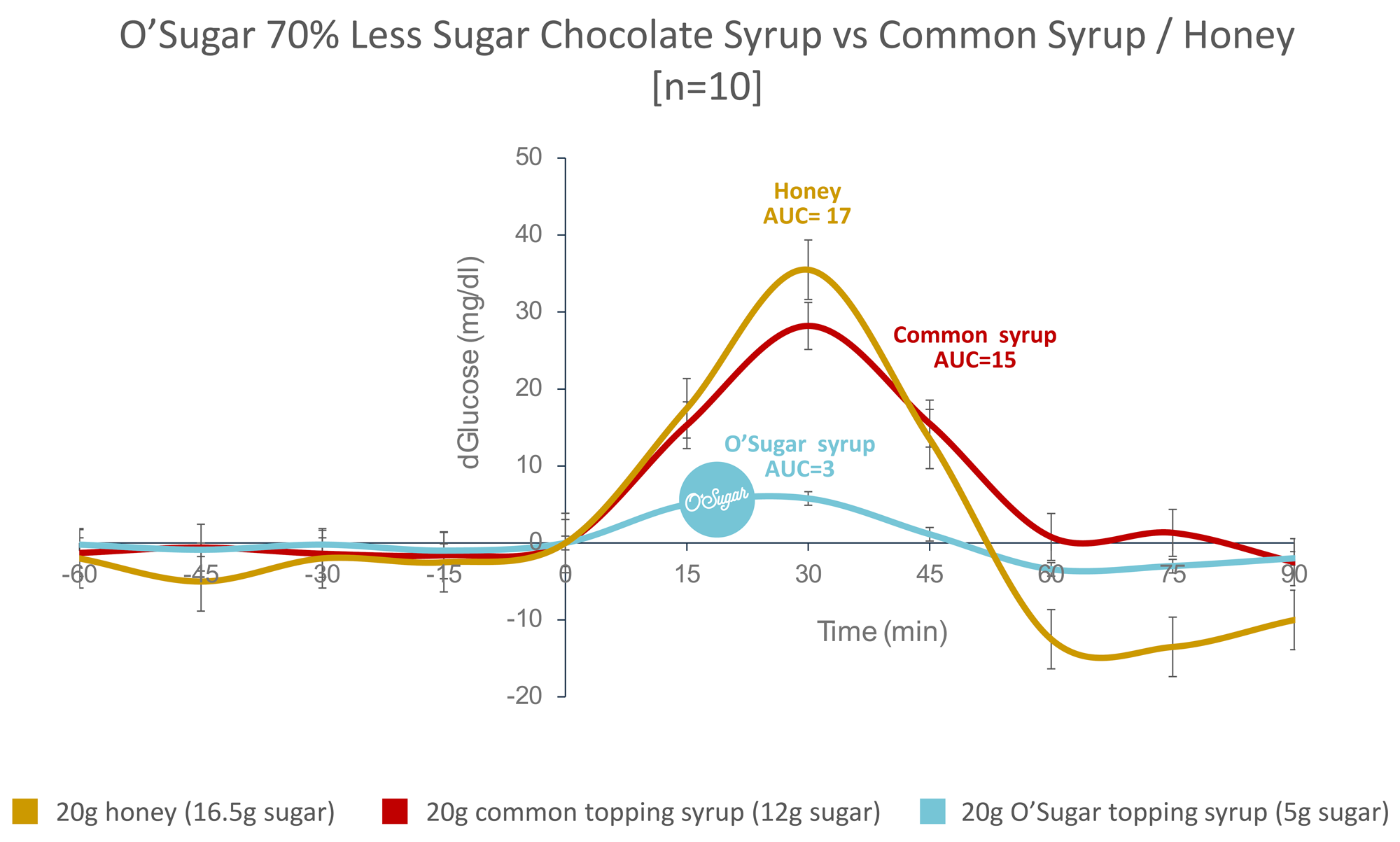
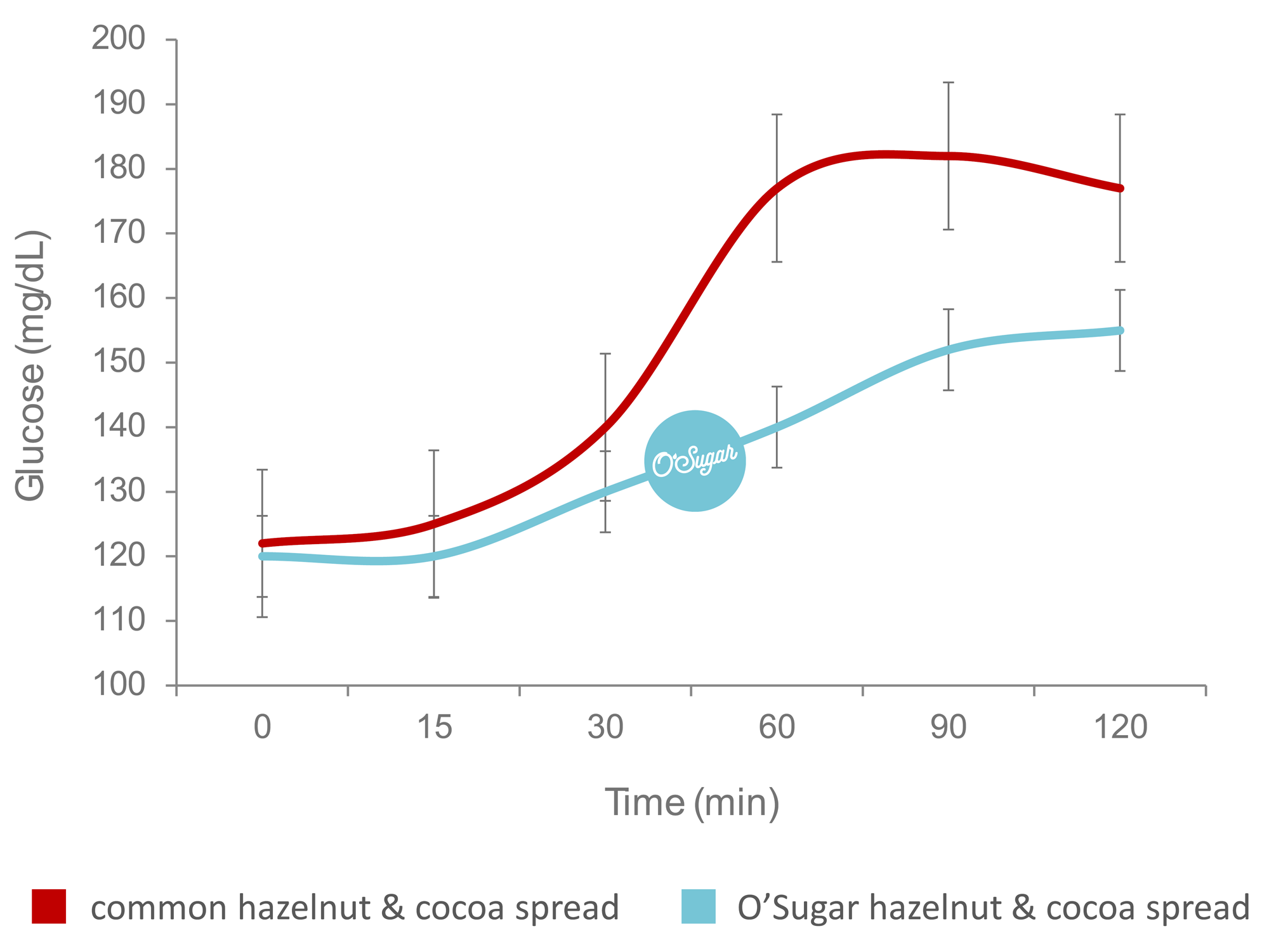
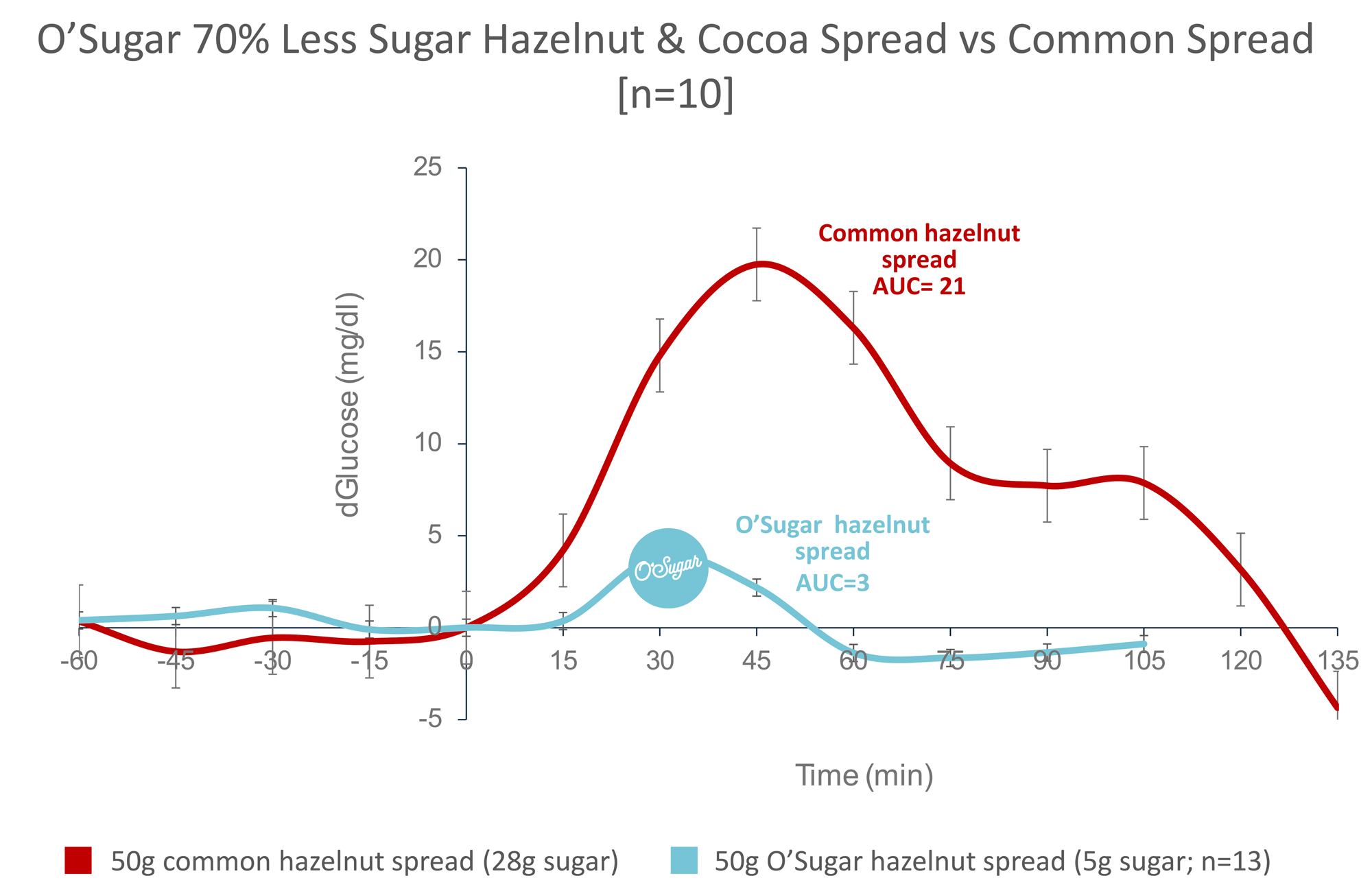
Postprandial Glucose Response to a Novel Low-Sucrose Chocolate Spread In Adults With Type 1 Diabetes: A Randomized, Double-Blinded, Cross-Over, Controlled Trial
Naama Fisch-Shvalb¹˒², Revital Nimri¹˒², Moshe Phillipi¹˒², Michal Yackobovitch-
Gavan¹˒³
“Comparisons of glycemic responses to a novel SR (Slow Release) food product compared to a commercially available equivalent showed that an 80% reduction in sucrose and 50% reduction in carbohydrate content resulted in a more favorable glycemic response, without compromising flavor. This new technology could significantly contribute to the ongoing effort to produce healthier sugar-reduced foods, both for people with diabetes, and for the general population. Further studies should be conducted to evaluate the impact of similar SR products on glycemia in different populations with diabetes and various meal types.”





Technical Integration and Scale
O’TASTE™ is engineered for industrial implementation at scale. We collaborate with innovation leaders, operations teams and R&D organizations to evaluate performance, refine formulation parameters, and support efficient integration into commercial production environments.